
What is an Invisible Decrease in Crochet?
In the world of crochet, various special techniques can significantly improve the appearance and quality of a finished project. One such technique is the invisible decrease. This method is especially valuable when working on pieces requiring a smooth and professional finish, like amigurumi or other stuffed toys.
The invisible decrease method is a subtle way of reducing stitches, which remains virtually undetectable in the final piece. This technique produces neater results compared to traditional decrease methods, minimizing noticeable gaps and improving the overall aesthetic. Mastering the invisible decrease can elevate your crochet projects to a new level of refinement.
Key Takeaways
- Invisible decrease is a crochet technique for reducing stitches with a smooth, professional finish
- This method is great for projects like amigurumi or stuffed toys
- Compared to traditional decrease methods, an invisible decrease creates fewer gaps and improves the overall look of a project
Understanding Invisible Decrease
Crochet Basics
Crochet is a craft that involves creating fabric from yarn using a crochet hook. It consists of several techniques and stitches that allow for unique patterns and designs to form. One handy skill is the invisible decrease, which enables the reduction of stitches seamlessly within a project.
This technique is especially useful for crafting amigurumi, where the goal is to create tight, even stitches with minimal gaps. By mastering the invisible decrease, the finished product will have a neater, more professional appearance.

Different Decrease Techniques
The traditional method of decreasing stitches in crochet typically involves working two stitches together, like single crochet two together (sc2tog) or double crochet two together (dc2tog). Though functional, these methods can sometimes create visible gaps or bumps that disrupt the uniformity of a piece.
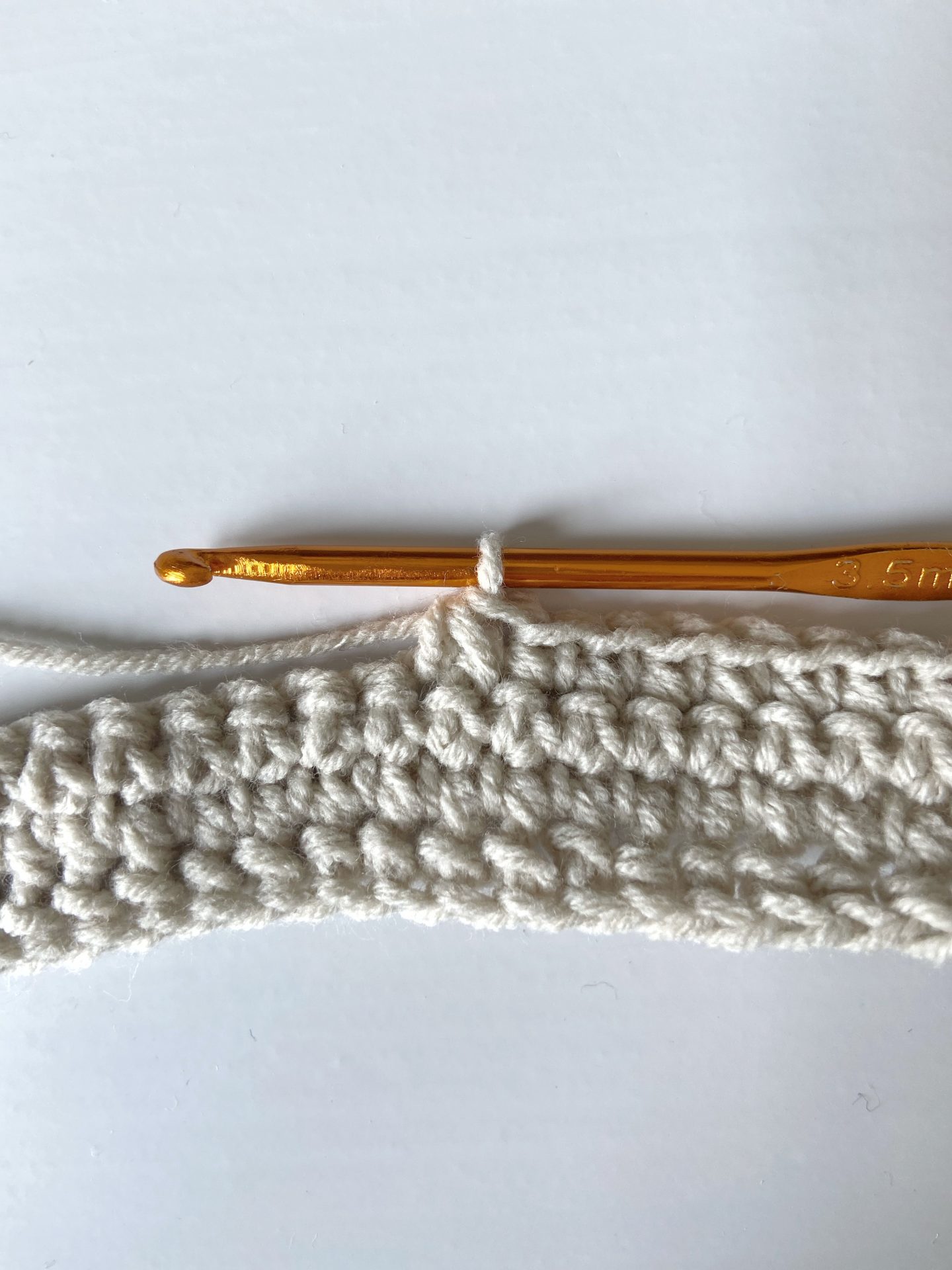
To achieve a smoother, more polished look, the invisible decrease is the ideal technique. The invisible decrease is similar to the standard decrease, but it forms a smaller stitch and is done in such a way that fewer or smaller gaps are formed in the project.
How to Perform an Invisible Decrease
Here’s a step-by-step guide to performing an invisible decrease using the single crochet stitch:
- Insert the hook into the front loop only of the first stitch.
- Without yarning over, insert the hook into the front loop only of the second stitch as well.
- Yarn over and carefully pull the yarn through both of the two front loops on the hook.
- Yarn over again and pull the yarn through the remaining two loops on the hook.
The invisible decrease is now complete.
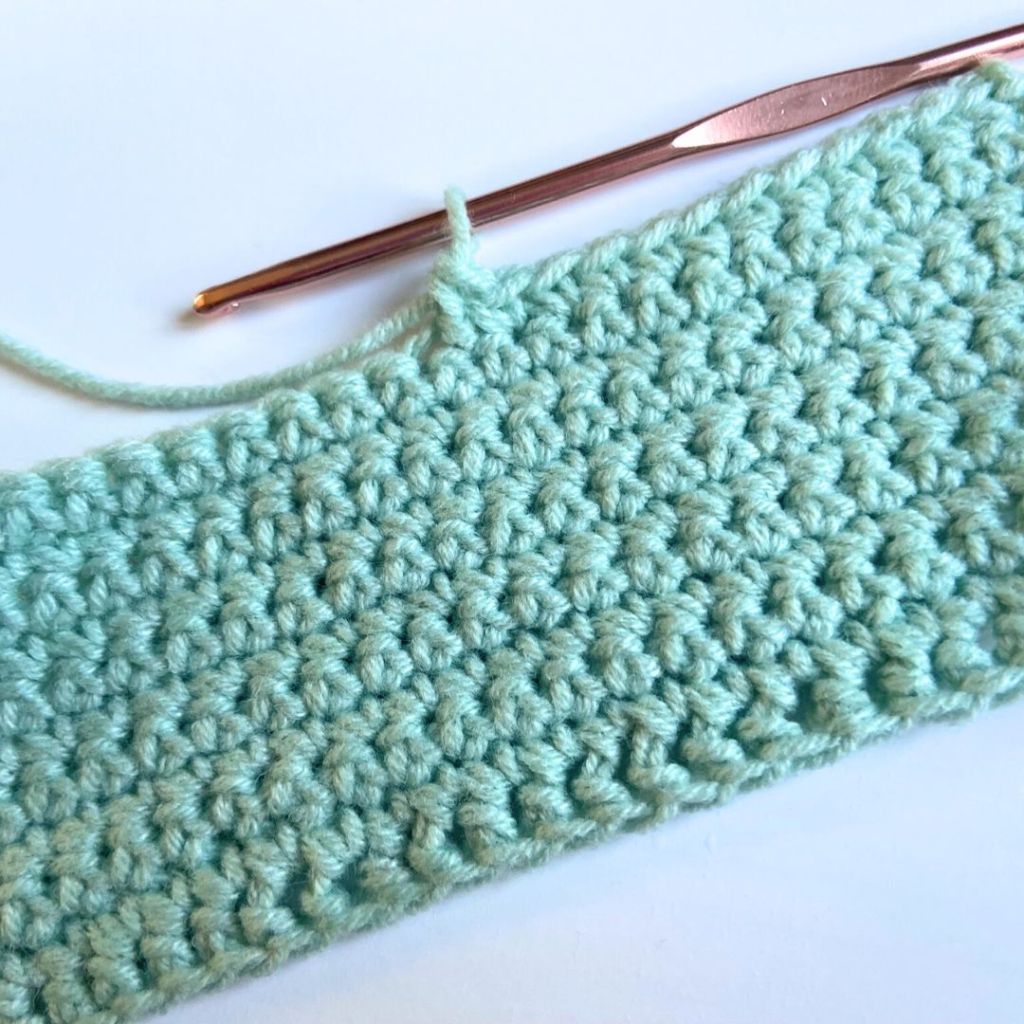
By following these steps, a crafter can reduce the number of stitches in their project while maintaining a clean, professional look.
This technique can be easily adjusted for other stitch types, such as the half-double crochet or double crochet, by adapting the process accordingly.
Benefits of the Invisible Decrease
The invisible decrease has several advantages for crochet projects, such as amigurumi and other items involving shaping:
- Enhanced appearance: This technique reduces visible gaps and bumps in the fabric, giving a more polished look.
- Improved structural integrity: Invisible decreases strengthen the work, ensuring they’re sturdier and more durable over time.
- Easier shaping: By avoiding gaps, holes, or other imperfections, the invisible decrease makes shaping items more precise and manageable.
In summary, the invisible decrease is a valuable skill for anyone interested in amigurumi or other crochet projects requiring smooth shaping. It enhances the appearance and durability of the finished item, making it a really useful technique for crocheters to master.

Comparing Decrease Methods
When it comes to decreasing in crochet, there are different techniques to choose from, each with its unique benefits and drawbacks. In this section, we’ll compare two popular methods: the traditional decrease and the invisible decrease.
Traditional Decrease
The traditional decrease method is a well-known technique frequently used for shaping and creating various crochet patterns. This technique, often abbreviated as “sc2tog” or “dc2tog”, for example, involves crocheting two or (sometimes more) partial stitches together to create a single stitch.
While effective in achieving its purpose, one of the drawbacks of the traditional decrease is that it can create gaps or bumps in the fabric. This can detract from the overall appearance of the finished project.

Invisible Decrease
In contrast, the invisible decrease is a more subtle, discreet method that’s perfect for those seeking a smoother and more polished finish. As the name suggests, this technique is much less noticeable because it hides the decrease stitches more effectively.
As described above, to perform an invisible decrease, you insert your hook through the front loops only of the stitches to be worked, and combine them into a single stitch. This creates a less bulky, flatter decrease than the traditional method, resulting in a more even and smooth final product. It’s particularly well-suited for amigurumi and other projects where a seamless look is desired.
Some of the benefits of using the invisible decrease technique include:
- Less noticeable decreases
- A smoother and more even finished product
- Reduced gaps or bumps in the fabric
In summary, both the traditional decrease and the invisible decrease are useful techniques to have in your crochet arsenal. The traditional decrease is a straightforward, commonly used approach, but it can be less visually appealing, with gaps or bumps on the right side of the fabric. Conversely, the invisible decrease is an excellent option for crocheters seeking a more refined, smooth finish to their projects.

Frequently Asked Questions
How does an invisible decrease differ from a regular decrease in crochet?
An invisible decrease is a technique used in crochet to reduce the number of stitches without creating a noticeable gap or bump. It differs from a regular decrease as it is less visible and more seamless. Regular decreases can sometimes be bulky, whereas invisible decreases blend smoothly with the surrounding stitches, providing a clean and polished finish.
How do you perform an invisible decrease for amigurumi projects?
Amigurumi projects typically feature invisible decreases due to their clean finish. Follow these steps to perform an invisible decrease for amigurumi:
- Insert the hook under the front loop only of the first stitch.
- Without pulling up a loop, insert the hook under the front loop of the next stitch.
- Yarn over and pull through both front loops.
- Complete the stitch by yarning over and pulling through the remaining two loops on the hook.
This method keeps the decrease tight and unnoticeable in your amigurumi project.
Can an invisible decrease be done with half double crochet?
Yes, an invisible decrease can be done with half double crochet (hdc) stitches. To perform an invisible hdc decrease:
- Yarn over and insert your hook under the front loop only of the next stitch.
- Yarn over and pull through the front loop (three loops on the hook).
- Next, insert your hook under the front loop only of the following stitch.
- Yarn over and pull through the front loop (four loops on the hook).
- Yarn over and pull through all four loops on your hook.
The invisible half double crochet decrease is now complete.
What is the abbreviation for an invisible decrease in crochet patterns?
In crochet patterns, an invisible decrease is often abbreviated as “invdec” or “inv sc dec” for an invisible single crochet decrease.
How do you execute an invisible decrease using back loops only?
To perform an invisible decrease using the back loops only (BLO), follow these steps:
- Insert the hook into the back loop only of the first stitch.
- Without pulling up a loop, insert the hook into the back loop of the next stitch.
- Yarn over and pull through both back loops.
- Complete the stitch by yarning over and pulling through the remaining two loops on the hook.
This method creates an invisible decrease while maintaining the texture achieved by working through the back loops.
More Crochet Patterns, Tips and Advice – Plus Two FREE Patterns
Sign up to my email list to receive a monthly newsletter with crochet news, tips and advice, as well as details of new pattern releases and exclusive discounts. Plus, receive TWO FREE PATTERNS when you sign up here today.